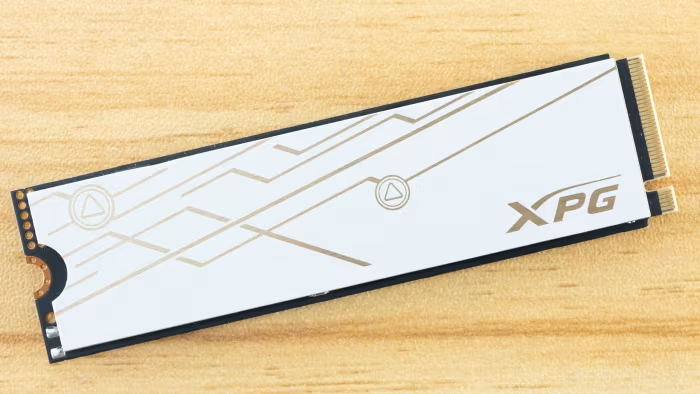
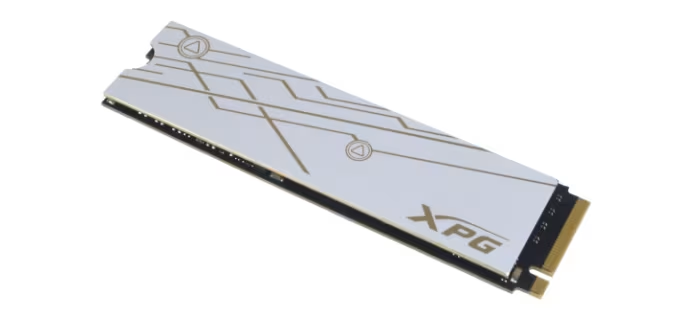
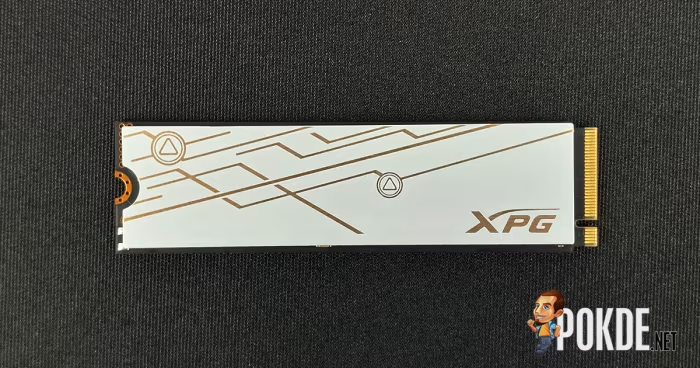
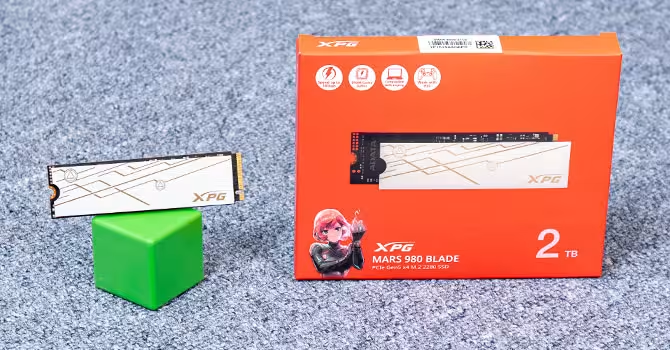
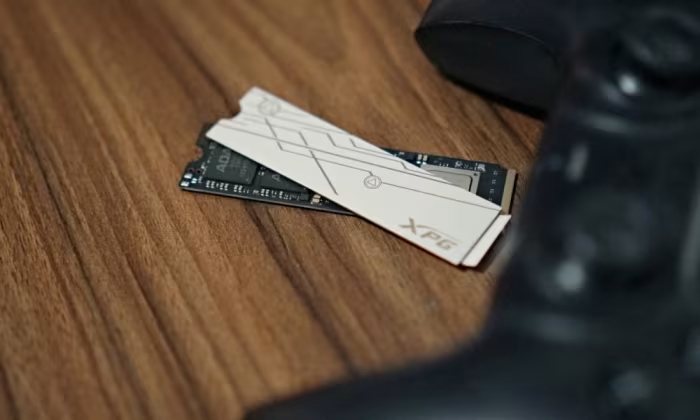
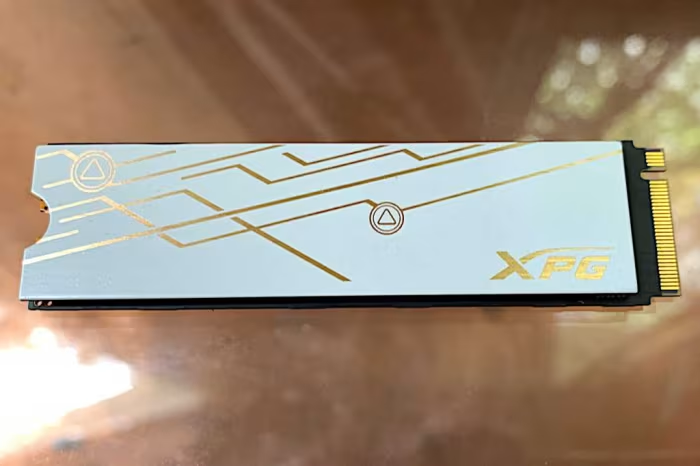
XPG Mars 980 Blade Review

Consensus Review · 12 independent sources
XPG Mars 980 Blade
Worth considering, with trade-offs. Most reviewers like it, with a few trade-offs. Weigh them against what matters to you.
⚡ The Short Version
The XPG Mars 980 Blade is a solid pick if you want a drive that delivers performance beyond its official ratings. It's a fair value for money, though you should be mindful of its thermal behavior under heavy loads. This drive is worth considering if you're building a budget system or need reliable speed for tasks like video editing.
Versions reviewed: Intel Core i9-14900K, ASUS ROG Maximus Z790 Dark Hero, ADATA XPG CASTER DDR5-6000
Reviews by market: India 9 · 3 without a stated market. Prices, mileage and range figures follow each reviewer's own market.
Confidence: medium · 12 reviews · 1 hands-on
👍 XPG Mars 980 Blade pros and cons
👍 Pros
- Good value for money
- Single sided build Quality
- Exceeds rated speed performance
- Hmb support software & Features
- Reliable PCIe 3.0 SSD for budget builds
👎 Cons
- Thermal throttling
- Permanent adhesive makes heatsink removal difficult
- Bleeding-edge PCIe 4.0 or PCIe 5.0 speeds
- You have a thin ultrabook
- You have a thin laptop
Lighter items are smaller or less certain points.
💰 Value for Money Analysis
Performs well above official sequential speed ratings. Should remain cheaper than PCIe 4.0 equivalents. Aggressive pricing.
11 of 12 sources commented on price or value.
🔀 Rivals to compare
- Crucial T500 (named by 2 of 12) [rival]
- Samsung 9100 Pro (named by 2 of 12) [rival] PCIe 5.0 competitor Gen 5 competitor
- WD Black SN8100 (named by 2 of 12) [rival] Better high-end speed
Reasons are the reviewers' own. Spellings of the same product are merged.
🛒 Is it right for you?
✅ Buy this if…
- You need a reliable PCIe 3.0 SSD for budget builds
- You require good large-file transfer performance for video editing
- You need an OS drive with high random write performance
- You prioritize maximum storage speed
⚠️ Skip this if…
- You need bleeding-edge PCIe 4.0 or PCIe 5.0 speeds
- You have a thin ultrabook
- You have a thin laptop
- You don't have PCIe 5.0 compatible hardware
Real-world findings
Test results, marketing claims and known problems
⚠️ Known problems
Reported by one source (not confirmed)
- Thermal throttling when heavily loaded (moderate · unresolved · 1 source)
- Permanent adhesive makes heatsink removal difficult (minor · unresolved · 1 source)
How it compares
Alternatives and the previous model
The XPG Mars 980 Blade is generally recommended for its performance and value, provided you account for its thermal characteristics and physical size.
Nerd corner
Feature-by-feature chart, measurements, specs and the score maths. Skip this part if you only want the answer.
Technical note: Measurements for sequential read performance show a wide range from 2.875 gb/s to 14 gb/s across 2 sources. These variations in results appear to stem from different testing methodologies, specifically the use of AS SSD Benchmark versus Anvil’s Storage Utilities.
🔬 Technical takeaway
- Sequential read: 14,000 mb/s, and all 2 reviews agree [India].
- Sequential read: 2.88–14 gb/s across 2 reviews. Results vary a lot, probably because the tests differ [India].
- Sequential write: 2.41 gb/s (one review).
- Speed: 110 mb/s (one review).
Numbers come from the reviewers' own tests and spec lists. Test conditions differ between sources.
⚡ Where Reviewers Disagreed
- sequential read: 2.88–14 gb/s across 2 reviews. Results vary a lot, probably because the tests differ Test conditions differ: AS SSD Benchmark; Anvil’s Storage Utilities.
🧩 Other Things Reviewers Mentioned
Sequential Read (4 of 12 sources)
| Measurement | Result |
|---|---|
| Sequential read | 14,000 mb/s, and all 2 reviews agree [India] |
| sequential read | 2.88–14 gb/s across 2 reviews. Results vary a lot, probably because the tests differ [India] |
🧮 How We Got This Score
In short: each of the 12 reviews is turned into a 0 to 10 number, stronger evidence counts for more, and the numbers are averaged.
- 1 reviews gave their own numeric score, and those count extra. The others are scored from their overall tone.
- First impressions and reviews without hands-on testing count less.
- If 80%+ of reviews lean the same way, the score moves by 0.5. This time: 0 (no direction reached 80% agreement).
- 75% of reviews lean positive, and scores are close together (spread 1.4). Agreement: Moderate.
- How we got there: score 7.0/10, value signal 6.5/10 from 11 reviews, evidence moderate (12 reviews, 1 hands-on).
- Reviews are dated Jun 2025 to Oct 2026.
The arithmetic, for the curious
| Review type | Reviews | Avg value | Total weight | Value × weight |
|---|---|---|---|---|
| Numeric reviewer score | 1 | 7.3 | 1.05 | 7.67 |
| Strongly positive review | 1 | 8.5 | 1.00 | 8.50 |
| Mildly positive review | 7 | 7.5 | 7.00 | 52.50 |
| Mixed review | 2 | 5.0 | 1.00 | 5.00 |
| Mildly negative review | 1 | 3.5 | 1.00 | 3.50 |
| All reviews | 12 | 11.05 | 77.17 |
Raw average = 77.17 ÷ 11.05 = 7.0. Consensus adjustment 0 gives the final 7.0.
Calculated in code from structured data, with no manual adjustments.
How much to trust this
What these conclusions are based on
Based on 12 usable reviews: 1 hands-on, 1 first impressions, 1 with a numeric score, 4 with measured results. Evidence strength: moderate.
Versions covered: Intel Core i9-14900K, ASUS ROG Maximus Z790 Dark Hero, ADATA XPG CASTER DDR5-6000. These reviews mix variants or markets, so check which one you are buying.
Reviewer recommendations: 9 recommended, 0 conditional, 1 not recommended.
How sources were chosen: every matching review in our collection is used, newest first; 1 were left out because they were about a different product or version.
📚 Sources Analysed
All 12 reviews were matched to 10 different sites.
Reviews by market: India 9 · 3 without a stated market. Prices, mileage and range figures follow each reviewer's own market.
Last updated: 1 Nov 2026 · based on 12 reviews dated Jun 2025 – Oct 2026.