Brooks Hyperion 2 Review

Consensus Review · 4 independent sources
Brooks Hyperion 2
Worth considering, with trade-offs. Most reviewers like it, with a few trade-offs. Weigh them against what matters to you.
⚡ The Short Version
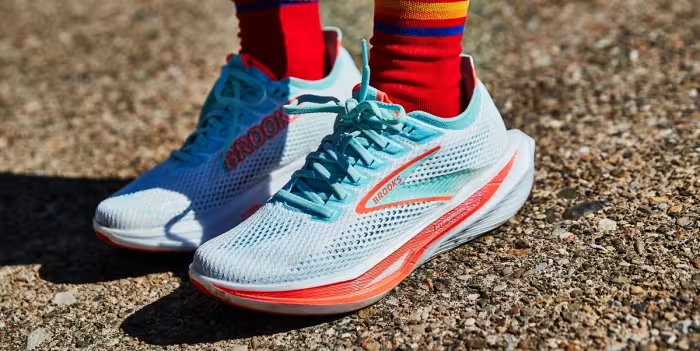
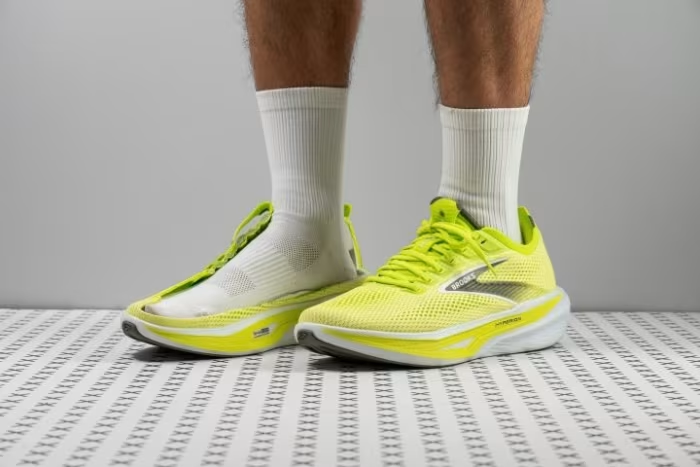
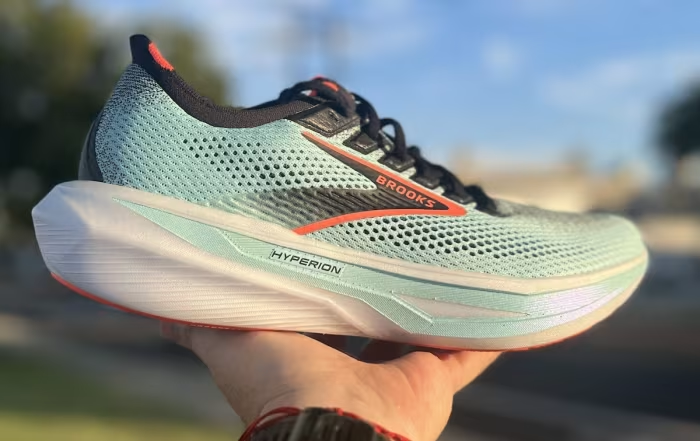
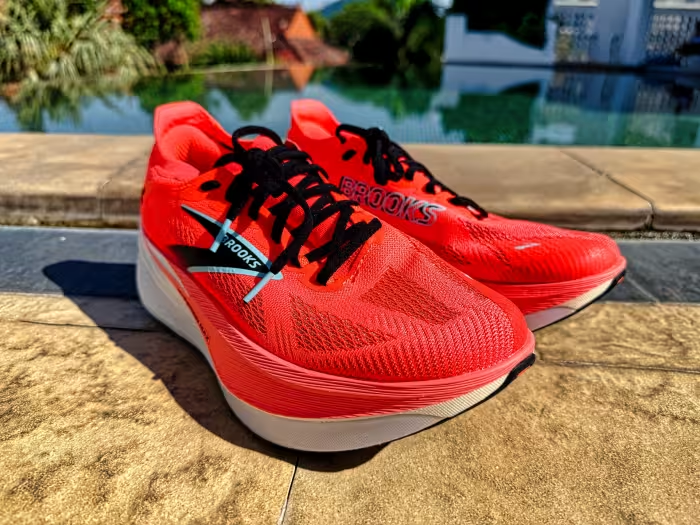
The Brooks Hyperion 2 is a lightweight, responsive trainer built for speed work and quick sessions. It feels grounded and flexible, giving you a more traditional ride than many modern high-stack alternatives. Most reviewers find the price reasonable for what you get, making it a good value for your training rotation. Just keep in mind that it isn't designed for long-distance runs.
Reviews by market: India 3 · 1 without a stated market. Prices, mileage and range figures follow each reviewer's own market.
Confidence: medium · 4 reviews · 4 hands-on
👍 Brooks Hyperion 2 pros and cons
👍 Pros
- Good value for money
- Traditional running shoes
👎 Cons
- Long-distance running
Lighter items are smaller or less certain points.
💰 Value for Money Analysis
You'll find the pricing accessible and fair for a dedicated speed trainer.
2 of 4 sources commented on price or value.
🔀 Rivals to compare
- ASICS NOVABLAST 4 (named by 1 of 4) [rival] Maximalist design with higher stack
- Adidas Adizero Adios 8 (named by 1 of 4) [rival]
- Adidas Adizero Takumi Sen 10 (named by 1 of 4) [premium] Superior bounce and speed
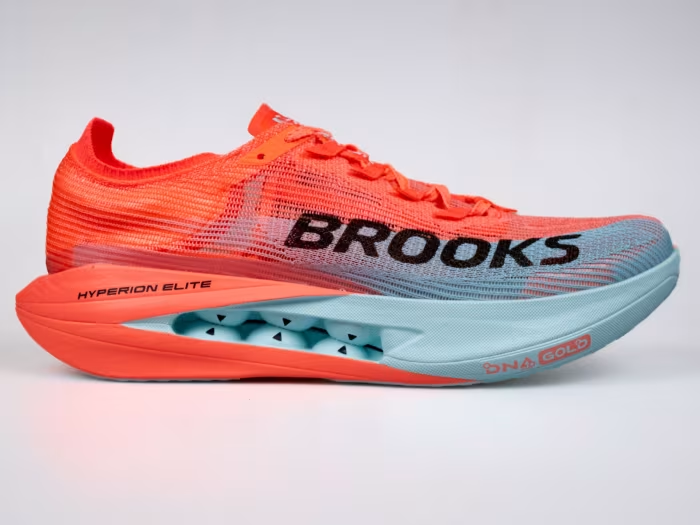
- Brooks Hyperion Elite 4 (named by 1 of 4) [premium] Superior bounce and speed
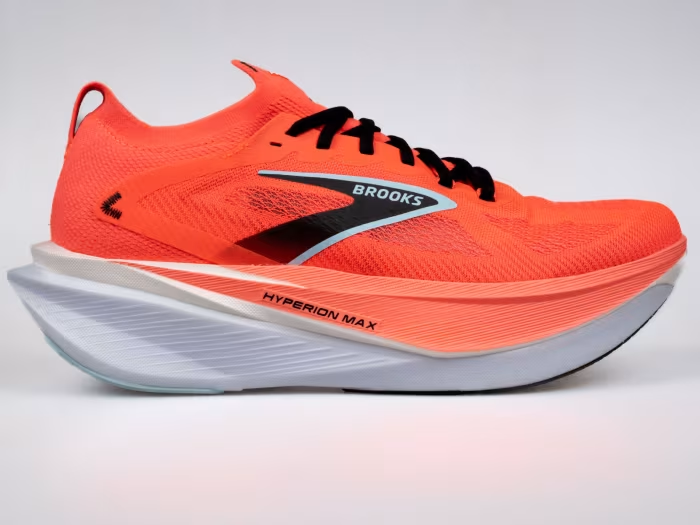
- Brooks Hyperion Max 2 (named by 1 of 4) [premium] More cushioned and versatile
- Hoka Mach 6 (named by 1 of 4) [rival] Competes due to focus on speed and performance
Reasons are the reviewers' own. Spellings of the same product are merged.
🛒 Is it right for you?
✅ Buy this if…
- You prefer traditional running shoes
- You want a shoe for short, fast workouts
⚠️ Skip this if…
- You're doing long-distance running
How it compares
Alternatives and the previous model
This is a reliable, lightweight speed trainer that offers good value, provided you stick to shorter, faster workouts rather than long-distance efforts.
Nerd corner
Feature-by-feature chart, measurements, specs and the score maths. Skip this part if you only want the answer.
🧮 How We Got This Score
In short: each of the 4 reviews is turned into a 0 to 10 number, stronger evidence counts for more, and the numbers are averaged.
- 0 reviews gave their own numeric score, and those count extra. The others are scored from their overall tone.
- First impressions and reviews without hands-on testing count less.
- If 80%+ of reviews lean the same way, the score moves by 0.5. This time: 0 (no direction reached 80% agreement).
- 75% of reviews lean positive, and scores are fairly spread out (spread 1.7). Agreement: Moderate.
- How we got there: score 6.5/10, value signal 7.0/10 from 2 reviews, evidence moderate (4 reviews, 4 hands-on).
- Reviews are dated Jul 2024 to May 2026.
The arithmetic, for the curious
| Review type | Reviews | Avg value | Total weight | Value × weight |
|---|---|---|---|---|
| Mildly positive review | 3 | 7.5 | 3.00 | 22.50 |
| Mildly negative review | 1 | 3.5 | 1.00 | 3.50 |
| All reviews | 4 | 4.00 | 26.00 |
Raw average = 26.00 ÷ 4.00 = 6.5. Consensus adjustment 0 gives the final 6.5.
Calculated in code from structured data, with no manual adjustments.
How much to trust this
What these conclusions are based on
Based on 4 usable reviews: 4 hands-on, 0 first impressions, 0 with a numeric score, 0 with measured results. Evidence strength: moderate.
Reviewer recommendations: 0 recommended, 1 conditional, 0 not recommended.
How sources were chosen: every matching review in our collection is used, newest first; 5 were left out because they were about a different product or version.
📚 Sources Analysed
All 4 reviews were matched to 4 different sites.
Reviews by market: India 3 · 1 without a stated market. Prices, mileage and range figures follow each reviewer's own market.
Last updated: 10 Nov 2026 · based on 4 reviews dated Jul 2024 – May 2026.